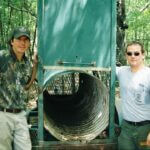
The Mississippi Department of Wildlife, Fisheries and Parks (MDWFP) has been collecting data on black bears for more than 20 years, according to agency officials. Reproductive data plays a crucial role in understanding the growth of the bear population over time.
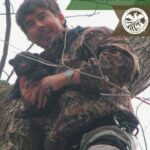
One primary method of data collection is through den checks. During these checks, a GPS-collared female bear, or sow, is sedated in her den. Researchers then briefly measure, weigh, and examine her cubs for overall health.
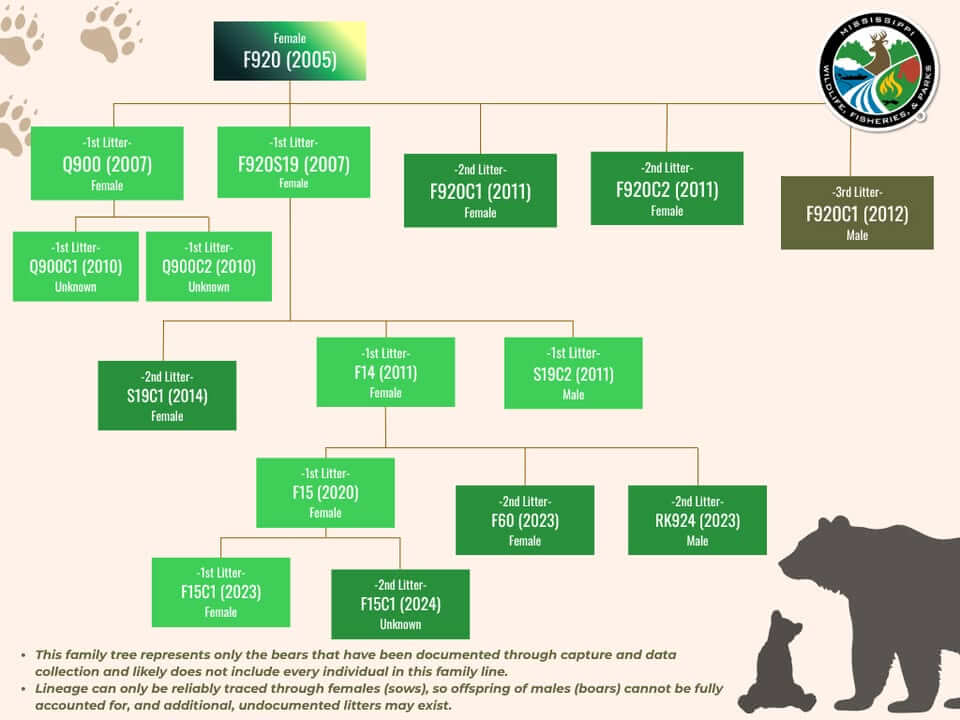
As this reproductive data accumulates, it allows scientists to construct a lineage of bears over multiple generations. For example, a bear known as F920 was first collared in 2005 after migrating from Louisiana. Her lineage can now be traced through five generations, with some bears still being tracked today, MDWFP officials said.
This long-term research exemplifies how decades of dedicated effort can yield vital information for conservation efforts and help monitor the health of the black bear population in Mississippi.
Jon R Myers is the executive editor of Alcorn County News and the founder of the Mississippi News Group, which he started in 2013 to cover communities across North Mississippi. He also founded the Mississippi Sports Group in 2006, which grew from a single community publication into a statewide network covering high school and college athletics. He reports on local government, public safety, schools and community life in Corinth and Alcorn County, working from public meetings, agency records and interviews with the people involved. Contact him at editor@alcornnewsms.com with news tips or corrections. For a correction, include the article link and supporting source material.
Stay connected
Your community. Wherever you are.
Follow Alcorn County News on Facebook for local news from Corinth and across Alcorn County.